Listen: the 2-minute breakdown
Unconfirmed, developing: This report is not yet confirmed. We are tracking it and will update this article as it develops.
By the ParadiseTeam · Updated June 2026
Market briefing: Global regulatory shifts are softening stablecoin rules, potentially ushering in new institutional capital. The ParadiseTeam, however, sees tactical short-term plays before a deeper market reaccumulation.
- The Bank of England removed individual holding caps for sterling stablecoins, replacing them with a £40 billion issuance limit.
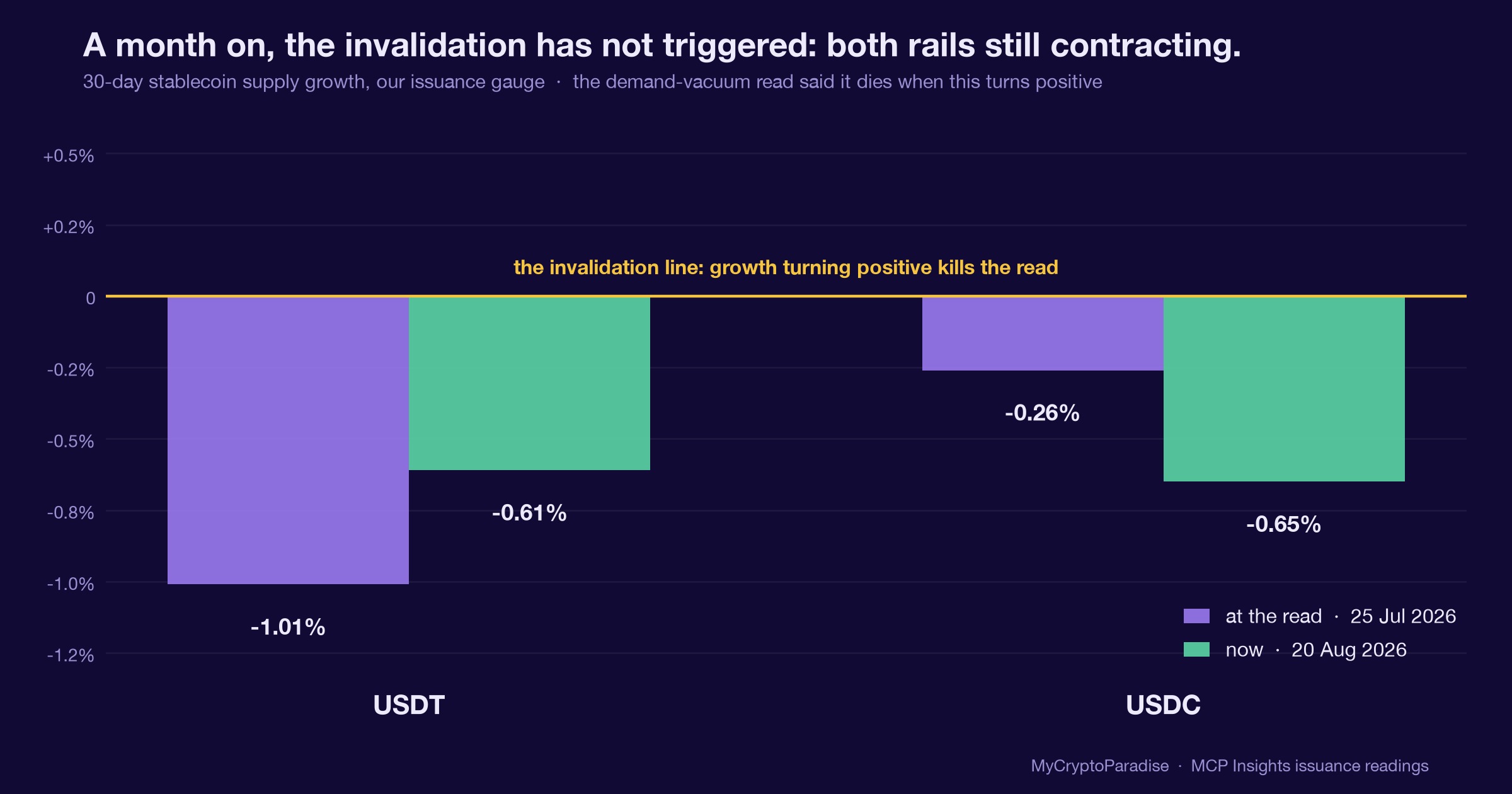
- Global stablecoin market capitalization sits at $312-$314 billion, growing over 50% since early 2025, dominated by USDT and USDC.
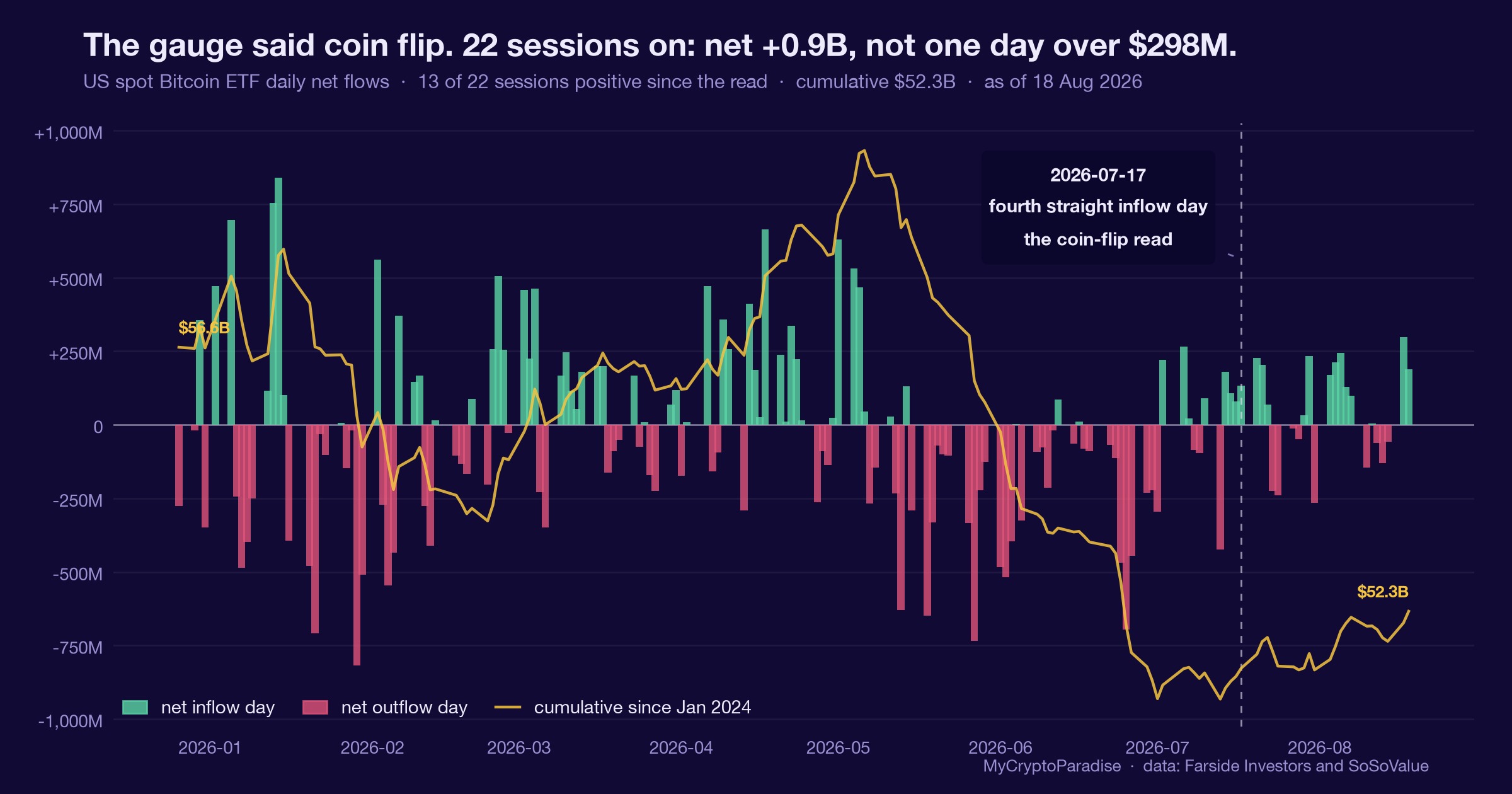
- US GDP growth is expected at 2-2.5%, with April CPI at 3.8%; Bitcoin is currently fluctuating around the $60,000 level.
Recent regulatory moves are easing restrictions on stablecoins, signaling a potential shift for digital asset adoption. With global market cap soaring, are we truly on the cusp of mainstream institutional integration, or is a more nuanced play unfolding for savvy traders?
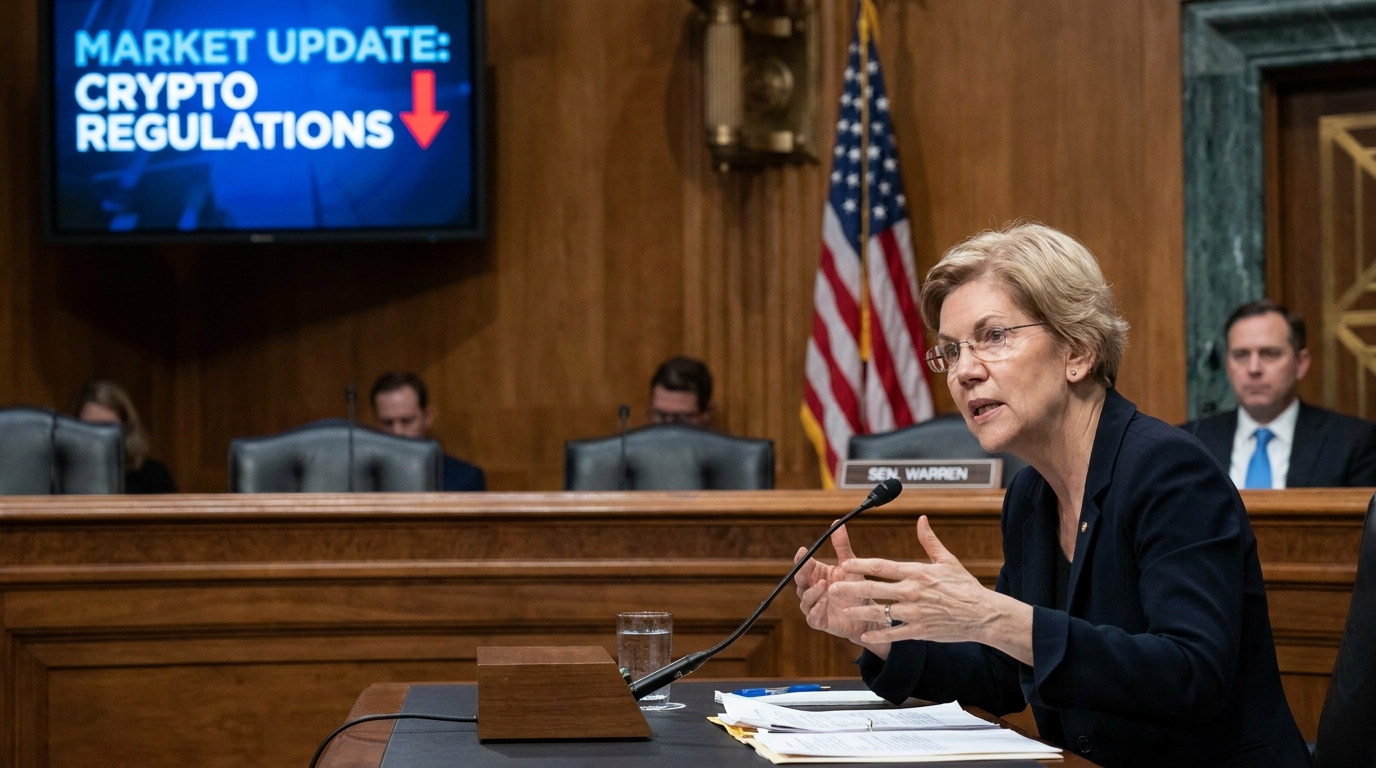
A recent Reuters Crypto Weekly video, titled 'Stablecoin rules soften, blockchain stocks beckon,' has brought renewed attention to the evolving regulatory landscape for digital assets. This follows closely on the Bank of England’s June 22 announcement, which significantly softened its stance on sterling-backed stablecoins. The central bank removed proposed individual holding caps, replacing them with a £40 billion issuance limit per stablecoin. This move aims to prevent overly strict regulations from hindering an emerging market, aligning with the clearer framework established in the United States under the 2025 GENIUS Act for payment stablecoins. These developments indicate a broader global trend towards regulatory clarity, which could encourage greater institutional involvement in the crypto space. The global stablecoin market capitalization currently stands at an impressive $312 to $314 billion, representing more than 50 percent growth since early 2025. Dollar-pegged tokens like USDT and USDC continue to dominate this growth, driving substantial transaction volumes. Stablecoins are increasingly seen as an efficient bridge between traditional finance and crypto, offering low-cost transfers, especially valuable during periods of geopolitical tension and rising energy prices.
Why Regulatory Easing Matters for Crypto
From a macro perspective, this regulatory softening significantly reduces uncertainty, potentially lowering risk premiums across crypto-related assets. Stablecoins improve liquidity and efficiency in payments and settlements, which is particularly valuable in an environment of persistent inflation concerns, as evidenced by the US April CPI reaching 3.8 percent year-over-year. The US economy itself shows resilience, with expected GDP growth of 2 to 2.5 percent for 2026, supported by robust AI-related capital spending. This backdrop has seen the S&P 500 deliver solid year-to-date gains of 7.5 to 9 percent, with technology and semiconductor stocks leading the advance on AI optimism. Concurrently, the tokenization of real-world assets is gaining traction, expanding from roughly $5.6 billion to nearly $19 billion over the past year. This trend promises faster settlement, 24/7 trading, and greater accessibility, modernizing capital markets. Crypto often behaves as a high-beta risk asset, amplifying trends in growth-oriented technology sectors. While these developments mark constructive steps toward mainstream integration, risks remain. Crypto prices and related stocks still exhibit higher volatility, and any further rise in energy costs or a shift towards tighter monetary policy could dampen risk appetite. Regulatory progress also remains uneven globally.
Market Impact of Regulatory Easing
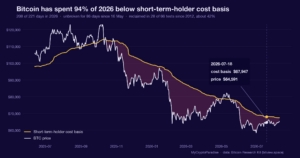
The easing of stablecoin rules, while structurally positive, is unlikely to be a singular catalyst for a sustained upward move in Bitcoin. Instead, it contributes to a narrative that may fuel short-term bounces, which smart money often views as opportunities for swing shorts. Bitcoin has been fluctuating around the $60,000 level, reacting to both regulatory news and broader risk sentiment. Increased clarity around stablecoins can improve overall market liquidity by providing more reliable on-ramps and off-ramps for institutional capital, even if direct spot buying isn't immediate. This regulatory shift also supports the growing interest in blockchain stocks, with Coinbase shares, for instance, up about 37 percent year-to-date, trading in the $142 to $150 range due to higher trading volumes and institutional demand. The broader trend of asset tokenization, from treasuries to private credit, also benefits, creating demand for robust underlying blockchain infrastructure, which could trickle down to major Layer 1s like Ethereum. Altcoins might see temporary boosts on narrative-driven speculation, but experienced traders are likely to be wary of distributing into these retail-fueled pumps, anticipating a broader market reaccumulation.
What to Watch Next After Stablecoin Rules Soften
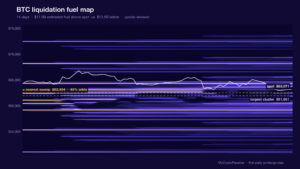
Traders should closely monitor the price action around Bitcoin's current local low of $59,000. A sustained break below this level without significant spot accumulation volume would confirm further downside momentum. For confirmation of a macro bottom, we need to observe an index signaling institutional frustration, specifically going 'red below zero' for at least three lower lows, combined with 'higher highs on spot accumulation volume' within the $55,000-$44,000 reaccumulation zone. Conversely, a short-term bounce for Bitcoin towards the $73,000-$79,000 region would be a key area to watch for potential swing short opportunities, especially if accompanied by bearish divergences. The continued growth of the global stablecoin market capitalization towards the projected $1 trillion by year-end would validate increased adoption, but its immediate impact on Bitcoin's price may be limited to providing underlying liquidity rather than direct buying pressure. Any further tightening of monetary policy or unexpected spikes in energy costs could invalidate bullish sentiment, forcing a re-evaluation of risk assets.
Insights for Traders on Regulatory Easing
The ParadiseTeam maintains a cautious bias, anticipating a short-term bounce for Bitcoin that could present swing short opportunities before a final flush to the macro bottom zone. The ParadiseTeam identifies key resistance targets for swing short entries at $73,000, aligning with a significant moving average, and $79,000, which corresponds to a CME gap and the 786 Fib level. The critical reaccumulation zone for smart money is set between $55,000 and $44,000. We expect institutions, if not diligent in their strategy, to be forced into capitulation, selling their Bitcoin at a loss. Smart money will then absorb this supply within this defined macro bottom zone. The current investor landscape shows retail largely absent from daily trading, making the present price action around $60,000 more indicative of broader market indecision than strong directional conviction. A definitive macro bottom signal will emerge from a confluence of an index going 'red below zero' for an extended period, indicating institutional frustration, alongside 'higher highs on spot accumulation volume' specifically within the $55,000-$44,000 range.
For exact entries, targets, and stop losses with full risk management, that is what the ParadiseFamilyVIP is for. New to reading these moves? Start with our crypto trading strategies guide.
ParadiseTeam is monitoring the market situation closely, and we are taking these developments into consideration while building our trading tactics inside ParadiseFamilyVIP.
Crypto trading involves substantial risk. Prices are volatile and you can lose money. This article is educational and is not financial advice. Past performance does not guarantee future results.