Listen: the 2-minute breakdown
Developing story update (June 28, 2026, 17:26 UTC):
Update: the selling has carried into a fresh session. MSTR slid roughly another 8 percent to around $86, extending the slide rather than stabilizing.
On the balance-sheet question that started this, reporting now points to the company holding close to 10 months of dollar reserves to cover its dividend obligations. That puts a rough clock on how long the current cash position covers payouts without further share sales, which is the number traders pressing Saylor actually care about.
What to watch now: Whether further share sales follow before that roughly 10-month reserve runway is tested, and if MSTR holds the $86 area.
Market briefing: Michael Saylor's MicroStrategy stock plunge and personal net worth decrease are fueling retail fear. However, with Bitcoin at $59,598, the ParadiseTeam sees this FUD as a potential smart money accumulation opportunity.
- Michael Saylor's personal net worth decreased by billions of dollars.
- MicroStrategy (MSTR) stock plunged from $540 to $82, falling 30%.
- The company sold $335 million in MSTR shares to increase USD reserves.
Recent news surrounding Michael Saylor's MicroStrategy (MSTR) stock performance and his Bitcoin funding strategy has generated significant fear and uncertainty. Is this FUD a genuine threat, or a calculated maneuver by smart money?
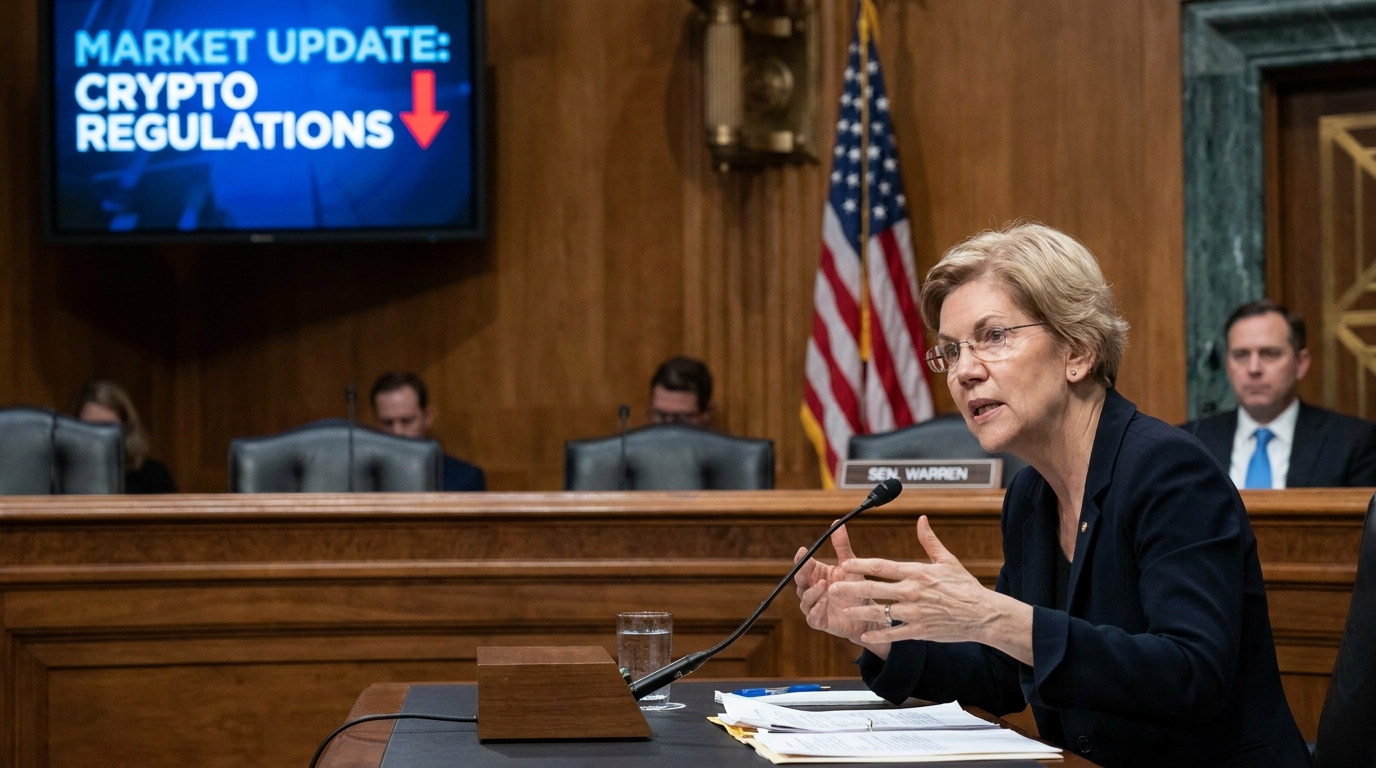
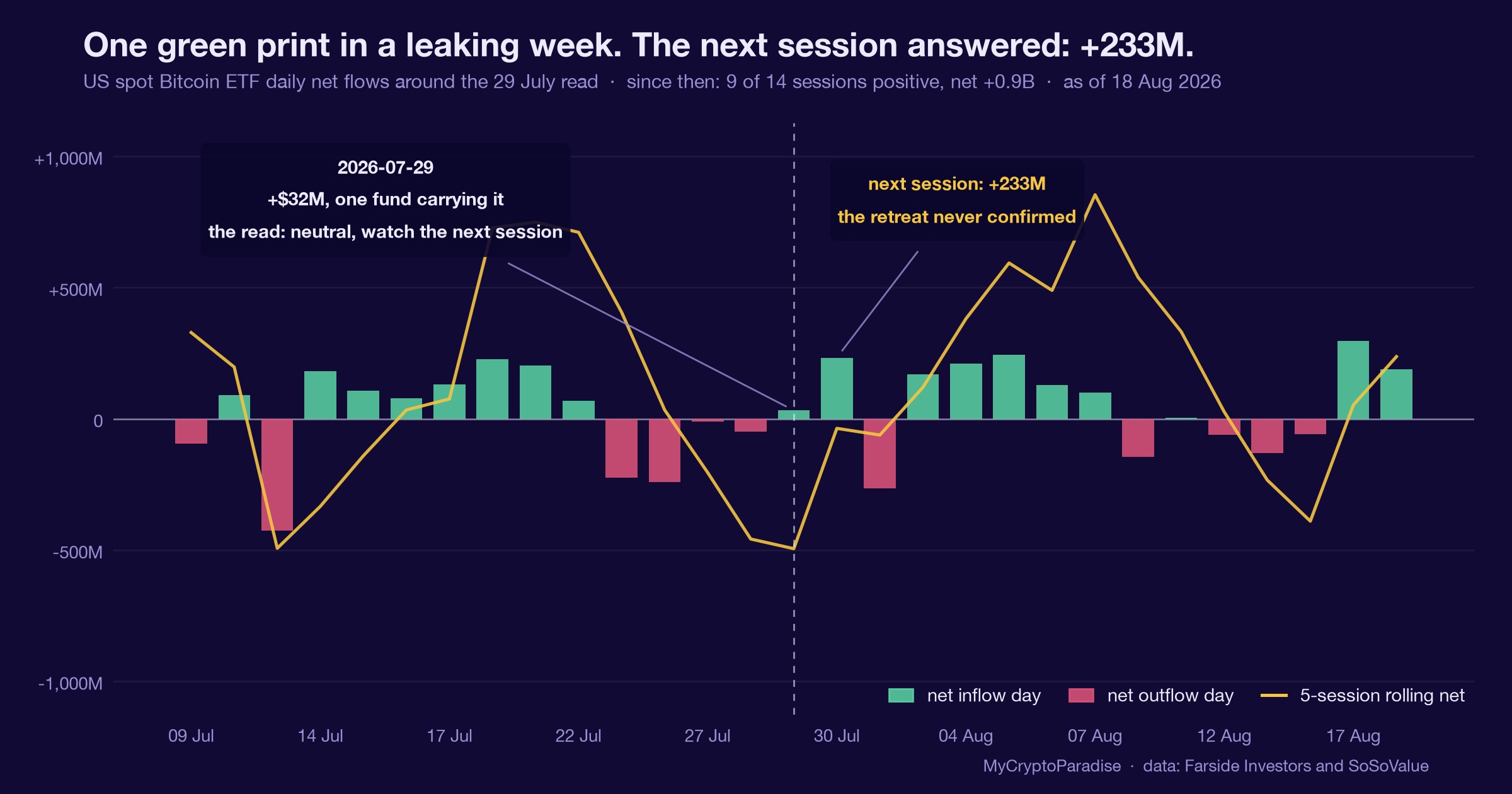
The crypto market is absorbing fresh FUD following reports of significant turbulence for Michael Saylor and MicroStrategy. Saylor's personal net worth has reportedly decreased by billions of dollars, a stark figure that resonates across the investment landscape. Adding to the concern, MicroStrategy's stock, MSTR, experienced a substantial plunge, falling from $540 to $82, representing a 30% drop in value. The company responded by selling $335 million in MSTR shares, a move aimed at increasing its USD reserves. This development, coupled with public criticism of Saylor's Bitcoin funding approach by figures like Ripple CEO Brad Garlinghouse, has amplified a bearish narrative. While the market had already been grappling with extreme fear and spot ETFs bleeding cash, this high-profile FUD provides a new focal point for retail investors to panic. The question now is how this narrative impacts broader market dynamics and whether it presents a genuine structural weakness or merely a temporary shakeout.
Saylor's narrative and shifting liquidity
The FUD surrounding Michael Saylor and MicroStrategy is more than just headline noise; it serves as a powerful catalyst for retail investor sentiment. When a prominent Bitcoin advocate faces such public scrutiny and financial pressure, it naturally triggers fear among less experienced traders. This fear is a critical component in the market's liquidity dynamics. Our macro read suggests institutional flows are increasingly discerning, favoring tokenized real-world assets over single-asset concentration models like Saylor's. While corporate treasuries still hold billions in Bitcoin, the market is differentiating between various adoption strategies. This Saylor-related FUD, landing amidst an already fearful market, can generate the necessary selling pressure from panicking retail. This capitulation creates an opportune environment where smart money can absorb liquidity, accumulating positions at lower prices before a potential reversal. The market is effectively using this narrative to flush out weak hands.
Retail fear fuels smart money positioning
The impact of the Michael Saylor FUD is primarily felt in the behavioral dynamics between retail and smart money. As fear spreads, retail traders are prone to selling their positions or initiating short trades, creating a pool of liquidity. Bitcoin, currently trading around $59,598, has seen minor dips in the last 24 hours, reflecting this immediate selling pressure. However, our analysis suggests these dips are precisely what smart money is looking for. Professional traders are likely absorbing this liquidity, positioning for an upside reversal. This mechanism often leads to a cascade: retail panic sells, smart money buys, and once selling pressure is exhausted, the market reverses. Ethereum and altcoins typically follow Bitcoin's lead, experiencing similar initial dips. Yet, if Bitcoin finds its footing and reverses, these assets are likely to see a strong bounce as liquidity flows back in, driven by smart money's renewed bullish conviction.
What confirms the market reversal next
To confirm a potential market reversal despite the Saylor FUD, traders should monitor several key indicators. A daily candle close above $60,000 would be a significant bullish signal, suggesting bulls are defending the bottom. Further confirmation would come from a daily close above the Fibonacci 1.272 level at $60,300. We also need to see nice volume on the daily candle, trending above the moving average volume trend line, indicating genuine buying interest. For invalidation, a sustained breakdown below the $58,000 support zone, or even the next important support at $54,000, would signal that bearish momentum is reasserting itself. However, if price holds firm near current levels or pushes higher on strong volume, it would reinforce the view that the FUD is being absorbed by smart money, setting the stage for an upward move and potentially trapping inexperienced short sellers.
How Saylor's narrative impacts current positioning
The ParadiseTeam views the Michael Saylor FUD as a classic example of bearish news landing at a critical juncture, providing fuel for smart money accumulation. With Bitcoin currently at $59,598, this narrative is generating the necessary retail fear and mixed sentiment that professional traders often exploit. Our analysis indicates that bearish momentum is showing signs of exhaustion, with bullish divergences forming between price action and both volume and RSI. While an inexperienced whale is reportedly heavily short, risking liquidation at $65,836, the ParadiseTeam is looking for high-probability long setups. We are watching for a daily candle close green and above $60,000, and especially above the Fibonacci 1.272 level at $60,300. This would signal a bullish engulfing pattern and confirm the completion of the first wave of a potential C-wave in an expanded flat pattern. If these conditions are met, the FUD driven by Saylor's MSTR situation is merely providing the liquidity for smart money to position for a push towards that $65,836 liquidation zone.
For exact entries, targets, and stop losses with full risk management, that is what ParadiseFamilyVIP is for. New to reading these moves? Start with our crypto trading strategies guide.
ParadiseTeam is monitoring the market situation closely, and we are taking these developments into consideration while building our trading tactics inside ParadiseFamilyVIP.
Crypto trading involves substantial risk. Prices are volatile and you can lose money. This article is educational and is not financial advice. Past performance does not guarantee future results.