Developing story update (June 28, 2026, 20:20 UTC):
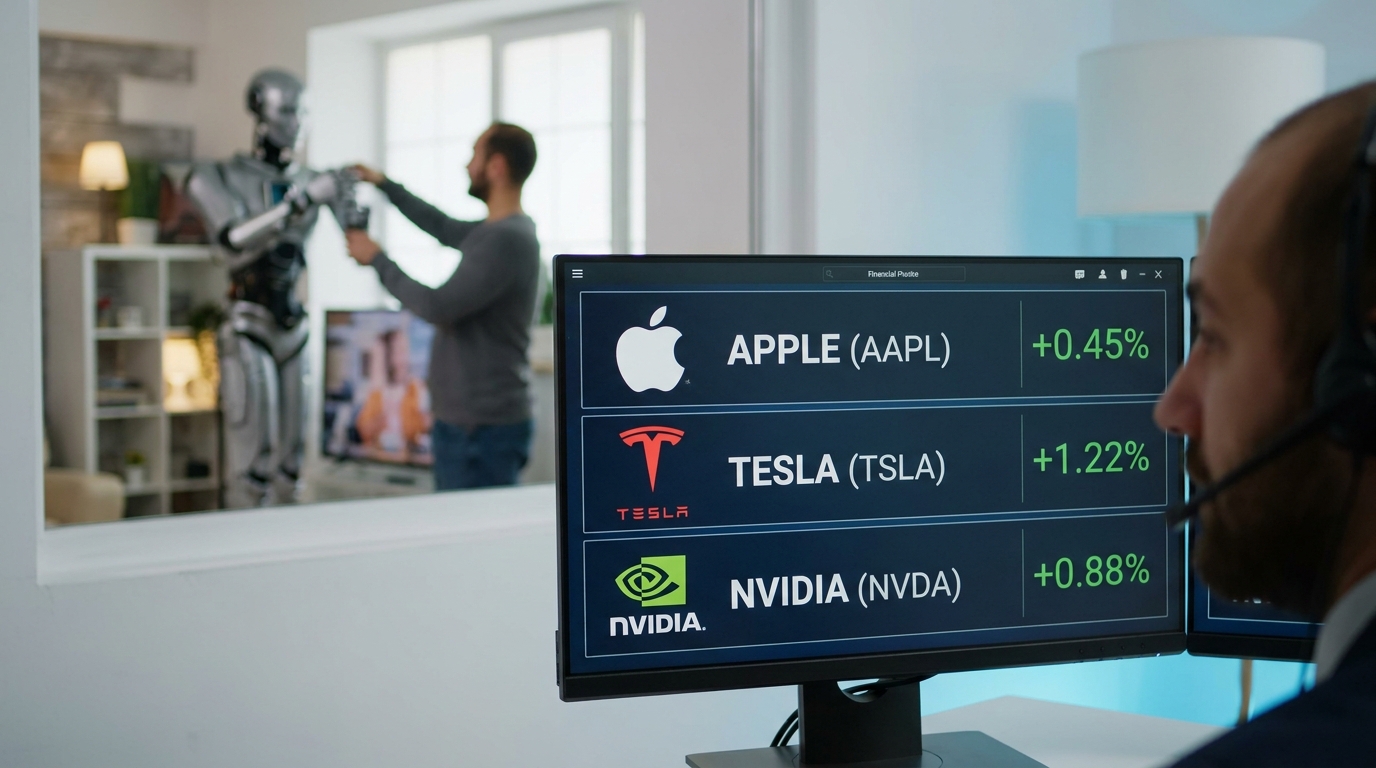
Update: The tokenization push has extended into autonomous agent trading. Ondo Finance, alongside Virtuals Protocol and Treasures, has opened over 430 tokenized US stocks to more than 40,000 autonomous AI agents for onchain trading on Ethereum and Solana.
For traders this widens the potential demand base for tokenized equities beyond human participants, and it deepens the case that onchain RWA rails are being built for continuous, programmatic flow. As always, treat early infrastructure adoption as a structural signal, not a near-term price catalyst.
What to watch now: Watch whether AI-agent driven volume on tokenized stocks translates into rising onchain RWA distributed value beyond $32 billion.
Developing story update (June 28, 2026, 18:33 UTC):
Update: the tokenization push has a new wrinkle that ties directly back to Ondo. Ondo, alongside Virtuals Protocol and Treasures, has opened more than 430 tokenized US stocks to over 40,000 autonomous AI agents, allowing onchain equity trading on both Ethereum and Solana.
This is the first sign of programmatic, agent-driven demand for tokenized equities rather than purely human flow, which over time can deepen liquidity in these markets. ONDO traded roughly 3% higher intraday on the day, though that is a short-term move and not a trend on its own.
What to watch now: Whether agent-driven order flow into tokenized stocks builds sustained volume or fades after the initial rollout.
Listen: the 2-minute breakdown
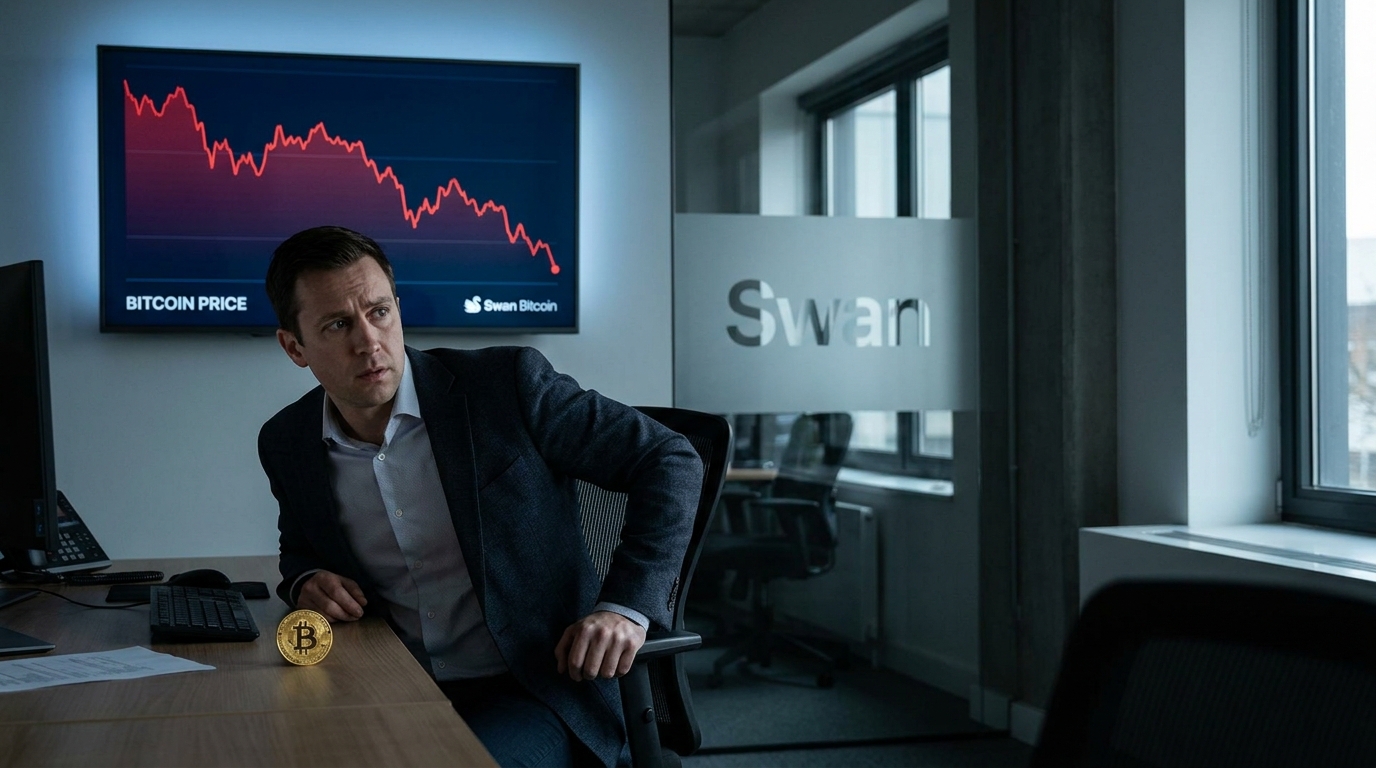
Market briefing: Big asset managers keep moving real assets onchain even as Bitcoin trades near 59,371, down on the day. The tokenization wave is fundamentals, not price action, and smart money tends to build positions while the crowd watches the red candles.
- Baillie Gifford, a 237 billion dollar manager, launched its first public tokenized bond fund on Ethereum and Solana.
- Onchain tokenized real world assets crossed 32 billion dollars in distributed value this week.
- Circle and Nomura agreed to build USDC FX settlement for Japan, targeting a 750 billion dollar daily market by 2027.
The tokenization wave just had its biggest week yet, with banks moving real assets onchain while Bitcoin drifts under 60K. So who is really positioning here?
Something quietly important happened this week, and it did not show up on the price chart. While Bitcoin slipped to 59,371, the largest names in traditional finance kept moving real assets onto blockchains. Baillie Gifford, a manager running 237 billion dollars, launched its first publicly available tokenized fund, an actively managed short duration corporate bond fund issued natively on Ethereum and Solana. Invesco filed with the SEC to launch a tokenized money market fund built for stablecoin issuers under the GENIUS Act framework. Circle and Nomura signed an agreement to settle foreign exchange for Japanese corporates using USDC, aiming at a 750 billion dollar daily market with a 2027 launch. The UK Treasury launched a Digital Gilt Instrument pilot, a digitally native government bond that settles onchain. Onchain tokenized real world assets crossed 32 billion dollars in distributed value. Ondo Global Markets switched on true round the clock minting and redemption for its most popular tokenized stocks and ETFs. None of this is a single dramatic catalyst. It is a confluence of institutions building the plumbing. The press releases are glossy, as they always are, but the direction of travel here is unusually consistent. Traditional finance is no longer experimenting at the edges. It is putting bonds, money market funds and government debt on the same rails crypto traders use every day. That structural shift matters more than one red daily candle, and it is happening while attention sits elsewhere.
Why real assets onchain reshape demand
The transmission mechanism here is slow but powerful. Every tokenized fund, every onchain bond, every stablecoin settlement deal creates a permanent reason for capital to sit on a blockchain. That capital needs rails. Ethereum and Solana host the new Baillie Gifford fund. USDC underpins the Circle and Nomura settlement layer. Ondo and similar protocols provide the bridge between regulated assets and onchain access. As tokenized real world assets cross 32 billion dollars, the addressable base of capital touching crypto infrastructure expands structurally, not speculatively. This is the difference between a narrative and a flow. A narrative moves price for a week. A flow changes who owns the asset over a cycle. When a 237 billion dollar manager issues product on public chains, it normalizes the technology for every committee that has been waiting for cover to act. The GENIUS Act framework gives stablecoin reserves a regulated home, which pulls more dollars onchain in a form institutions can hold. None of this guarantees higher prices in the short term. Markets can stay disconnected from fundamentals for a long time, and usually do. But the macro backdrop for crypto infrastructure is tightening in a bullish direction while the spot price drifts. That gap between building activity and price is exactly where longer term positioning decisions get made, and it rarely stays open forever.
How the tokenization flow reaches ETH and alts
Map the chain from driver to price. Institutional tokenization raises demand for blockspace and settlement, which favors the base layers first. Ethereum and Solana host most of this week's new product, so the structural bid lands on them before it reaches anything else. Yet both trade soft today, ETH near 1,563 and SOL near 71, each down under two percent. That divergence between building and pricing is the whole story. Bitcoin, at 59,371 and down on the day, remains the liquidity anchor. When BTC is heavy, capital rarely rotates aggressively into alts, so the tokenization theme cannot fully express itself in price yet. The sequence usually runs Bitcoin first, then Ethereum, then the protocols tied to real world assets and infrastructure. Right now the market is stuck at the first step. Liquidity is thin and fearful, stops are clustered below recent lows, and short term traders are reacting to candles rather than balance sheets. That is normal late in a fear phase. The institutions filing funds this week are not trading the next four hours. They are building for the next four years. For traders, the read is that the fundamental case for ETH, SOL and RWA protocols is strengthening underneath a weak tape, which is precisely the setup where price and value separate before they reconnect.
Signals that confirm or break the reversal
Watch whether building activity converts into onchain flow you can verify. Continued growth past 32 billion dollars in tokenized real world assets would confirm the trend has momentum rather than headlines. More filings following Invesco, and progress on the Circle and Nomura settlement layer, would extend it. On price, the question is simpler. Bitcoin needs to defend the lower part of its range and reclaim the 60,000 area on a daily close to signal that sellers are spent. A clean daily close back above 60,300 would strengthen that case. Failure to hold the high 50s, and a daily close that loses 54,000, would invalidate the bullish reading and suggest the fundamental story still has to wait for a deeper flush. For ETH and SOL, the confirmation is relative strength. If they stop bleeding against Bitcoin while tokenization news keeps landing on their chains, that is the early footprint of rotation. The risk to the bullish case is honest and worth stating. Institutional adoption is a multi year process, not a same day catalyst, and it can coexist with a falling price for months. Building does not stop a market that wants to fall. So treat the tokenization wave as the macro tailwind it is, and let the daily chart tell you when the spot market is ready to agree with it.
What this build means for liquidity and positioning
Here is how the ParadiseTeam reads this week against the current tape. Bitcoin sits at 59,371, near the zone where bulls have been defending the bottom around 58,000, with 54,000 as the deeper support below. That is meaningful, because the tokenization story is bullish first order news landing while price is fearful and pinned at support, not while it is euphoric at highs. That combination is usually accumulation, not distribution. The structural read fits the broader picture we have been tracking: bullish divergences on the daily, exhausted sellers, and previous lows that looked more like long squeezes than genuine spot selling. Smart money builds infrastructure positions when the crowd is busy selling candles, and this week the crowd was selling candles. The levels that matter now are unchanged by the news but reinforced by it. A daily close back above 60,000, ideally above the 60,300 region, would mark the first real evidence the reversal is taking hold, with 65,836 the resistance where an overextended short is exposed. Below 54,000, the patience required gets longer. The tokenization wave does not move those levels, it strengthens the conviction behind defending them. Stops sit under the recent lows, which is exactly where a final flush would hunt before the structural bid asserts itself. Probabilities, not promises. The fundamentals are quietly aligning with the technicals.
For exact entries, targets, and stop losses with full risk management, that is what ParadiseFamilyVIP is for. New to reading these moves? Start with our crypto trading strategies guide.
ParadiseTeam is monitoring the market situation closely, and we are taking these developments into consideration while building our trading tactics inside ParadiseFamilyVIP.
Crypto trading involves substantial risk. Prices are volatile and you can lose money. This article is educational and is not financial advice. Past performance does not guarantee future results.